

Keep Your Heat Pump Running Strong: Practical Maintenance Tips & Checklists
Regular heat pump care keeps your home comfortable, cuts energy waste, and helps equipment last longer. A heat pump moves heat between inside and outside with a compressor, refrigerant, coils and a reversing valve — and small problems like dirty coils, blocked airflow or loose wiring quickly sap efficiency. This guide walks through the practical maintenance steps homeowners can take, what to check before calling a tech, seasonal prep, how maintenance affects energy bills and lifespan, and which DIY tasks are safe. Use the step-by-step checklists for monthly and annual care, follow the troubleshooting flow when performance slips, and consult the decision guide to know when to book professional service. Throughout, you’ll find clear action items that make routine care simple and effective.
What Are the Key Heat Pump Maintenance Tasks for Peak Efficiency?
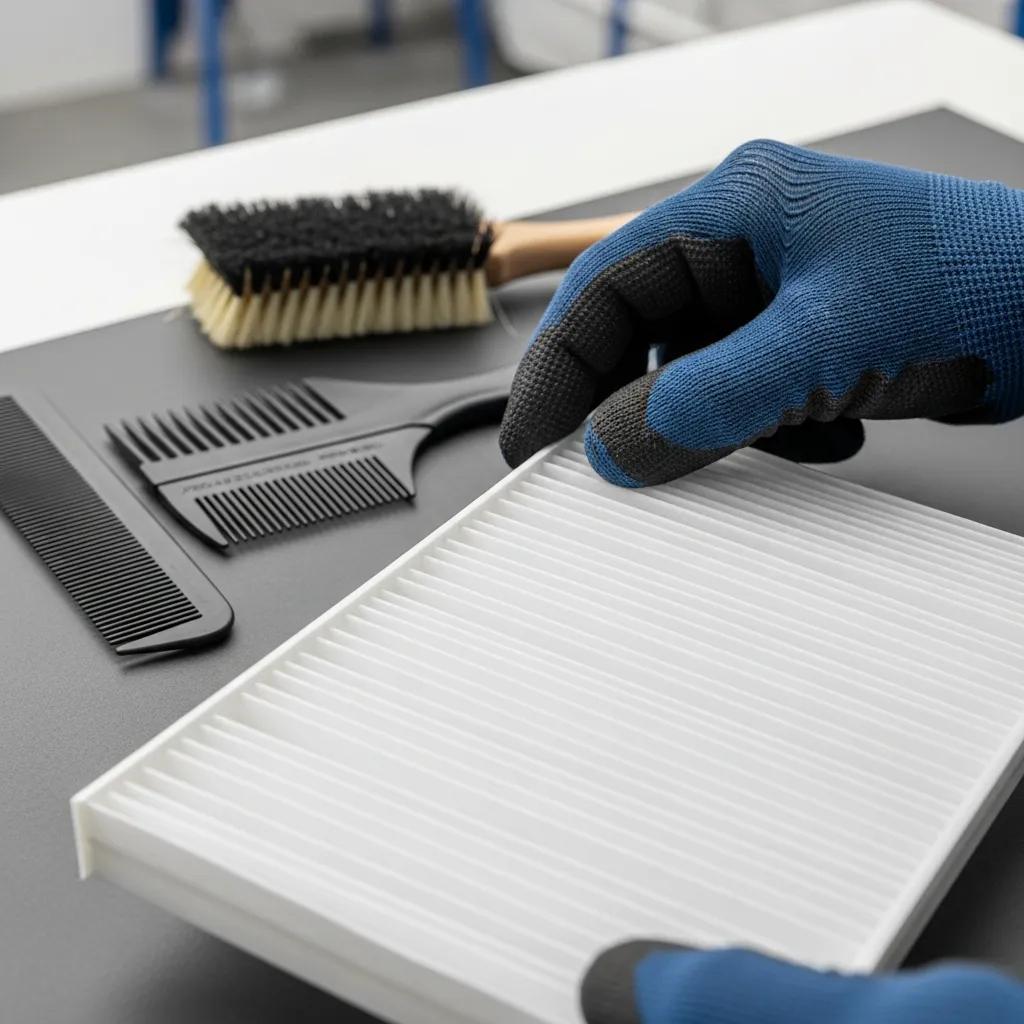
A few basic tasks—changing filters, cleaning coils, checking airflow and inspecting electrical connections—deliver the biggest gains because they directly affect heat transfer and compressor load. Clean filters keep air moving and protect the coil. Clean coils let heat move where it should, cutting run time. Clearing the condensate drain and keeping the outdoor unit free of debris prevents moisture issues, icing and short cycling. Focusing on these areas helps keep pressures in the compressor’s safe range and reduces the chance of costly repairs. Below is a short checklist you can follow or schedule with your service pro.
High-impact maintenance actions you should perform or schedule.
- Inspect and replace filters monthly or as needed: A clean filter preserves airflow and protects coil surfaces.
- Clear vegetation and debris around the outdoor condenser: Unblocked airflow maintains exchange efficiency.
- Visually inspect coils and fins seasonally: Clean coils cut compressor run time and improve performance.
- Check condensate drain and plumbing: Clearing clogs prevents water damage and microbial growth.
- Inspect electrical connections and thermostat calibration annually: Tight connections and correct settings prevent failures.
Keeping up with these items stops small issues from cascading into bigger repairs and higher energy use. The next section shows how often to schedule checks—monthly, seasonal and annual—so you can build a simple routine.
How Often Should You Inspect and Clean Your Heat Pump?
Some checks belong on a monthly rhythm (filter checks, outdoor debris), while others are seasonal or annual (refrigerant level, electrical tests). Do quick monthly checks — look at the filter and clear any obvious debris — and plan deeper inspections before heavy-use seasons. Homes with pets, allergies, or heavy runtime will need filter changes more often (sometimes monthly); low-use homes can stretch to 60–90 days. Tie reminders to the seasons (late spring and early fall) to make pre-season tune-ups a habit and reduce surprise breakdowns.
Keep a short log of inspection dates and actions. Noting run times and any changes year-to-year helps you spot trends, like shorter cycles, that point to professional diagnostics. Those notes also make conversations with technicians faster and clearer.
How Can You Troubleshoot Common Heat Pump Issues Effectively?
Start with the simple, safe checks: power, thermostat settings and visible obstructions. Many problems come from easy fixes — a tripped breaker, a wrong thermostat mode, or a clogged filter. Match symptoms (low airflow, odd sounds, ice on coils) to immediate fixes (reset breaker, change filter, clear debris). If those don’t work, move to controlled diagnostics: check access panels for loose wiring, confirm the outdoor fan runs, and watch cycle lengths for short cycling. Stop if you see refrigerant signs, electrical arcing, or compressor distress — those need a licensed technician.
Here’s a short troubleshooting flow to try before calling for help.
- Confirm power and thermostat settings: Make sure breakers are on and the thermostat is set correctly.
- Check and replace dirty filters: Restoring airflow often fixes cold or hot spots and reduces runtime.
- Inspect outdoor unit for debris and fan operation: Remove obstructions and note if the fan and compressor start.
- Listen for unusual noises and watch for ice or leaks: These usually point to mechanical or refrigerant problems.
- If the issue continues, power down and call a professional: Don’t open sealed panels or attempt refrigerant service.
These steps keep safety first and move logically from homeowner actions to professional service when needed. The next subsections explain warning signs and why some problems require immediate help.
What Are the Signs of Heat Pump Malfunction or Reduced Performance?
Watch for low airflow, odd noises, ice on coils, frequent short cycling and rising energy bills — they’re common red flags. Low airflow usually stems from clogged filters or blocked vents; persistent ice often means refrigerant or airflow problems that need prompt attention. Grinding or squealing can mean failing bearings, while clicking or popping may signal electrical contact issues. Tracking run times and energy use helps separate temporary glitches from progressive failures that need professional checks.
Spotting trouble early reduces repair scope and helps protect expensive parts like the compressor.
How Do You Address Refrigerant Leaks and Electrical Faults?
Refrigerant and electrical problems are hazards and are often regulated work — they’re best left to licensed techs. Signs of refrigerant leaks include hissing, oily residue on lines, or loss of capacity. Electrical faults often show as burning smells, tripped breakers, or scorch marks. If you detect strong electrical odors or visible leaks, shut down the system, ventilate the area, keep children and pets away, and contact a qualified technician for leak detection, evacuation, recharge or repairs.
Professional service keeps the system safe, prevents further damage, and ensures work meets regulations. Next up: seasonal steps to stop many of these problems before they start.
What Are the Best Seasonal Maintenance Practices for Heat Pumps?
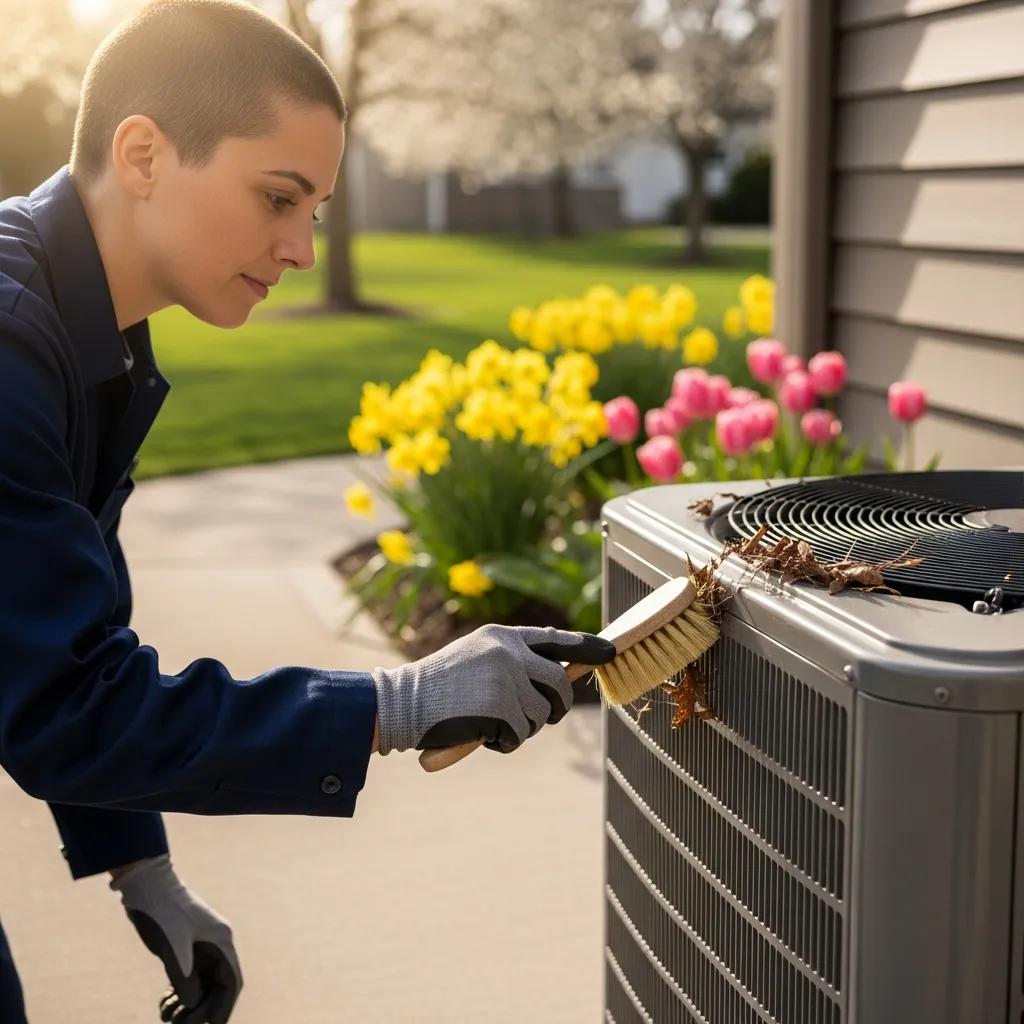
Seasonal maintenance lines up checks with cooling and heating demands so your system isn’t caught off guard. Before cooling season, clear debris from the outdoor condenser, check refrigerant performance via run-time and temperature split observations, and set thermostats for efficient summer schedules. Before heating season, confirm the defrost cycle is working, keep the outdoor unit clear of snow or ice, and inspect exposed refrigerant lines for insulation. Aim for late spring (pre-cooling) and early fall (pre-heating) for deeper checks — and schedule an annual professional tune-up if you haven’t had one in the last year.
- Spring / Pre-Cooling Checklist:
Clear leaves, grass and debris from the outdoor unit and replace indoor filters.Set thermostat schedules for summer and appropriate deadbands.Book an annual professional tune-up if it’s been over 12 months. - Fall / Pre-Heating Checklist:
Confirm defrost operation and clear vegetation around the outdoor unit.Insulate exposed refrigerant lines and check condensate drainage.Verify thermostat heat settings and run a short heating test.
Following seasonal steps reduces mid-season failures and keeps the system running efficiently.
We provide clear, useful HVAC guidance—and if you’d rather leave seasonal tune-ups to pros, Anthony’s AC and Heating, LLC offers pre-season inspections that focus on refrigerant checks, electrical safety and airflow restoration. We provide straightforward reports and recommended priorities so you know what to fix and why — then schedule the work on your timeline.
How Does Proper Heat Pump Maintenance Impact Energy Efficiency and Costs?
Well-maintained systems use less energy: clean coils and correct refrigerant charge improve heat transfer and cut compressor run time. Routine care often reduces runtime and evens out indoor temperatures, lowering utility bills compared with neglected units. Exact savings depend on climate and usage, but typical outcomes are shorter cycles, more consistent comfort, and deferred replacement costs because parts wear more slowly. Treat maintenance as an investment — small, regular steps prevent big emergency expenses.
The table below links common maintenance items to their typical efficiency effect and an estimated qualitative impact to help you prioritize.
| Attribute | Typical impact on efficiency | Estimated effect (qualitative) |
|---|---|---|
| Clean air filters | Restores rated airflow to the blower | Moderate improvement, immediate impact |
| Clean coils and fins | Improves heat exchange efficiency | High impact, reduces compressor runtime |
| Correct refrigerant charge | Ensures design pressures and temperatures | High impact, prevents compressor stress |
| Proper thermostat calibration | Avoids unnecessary run cycles | Moderate improvement, improves comfort |
| Clear condensate and unobstructed airflow | Prevents icing and flow restrictions | Moderate improvement, reduces emergencies |
Coil cleaning and refrigerant integrity usually yield the biggest efficiency gains, while regular filter care and thermostat tuning provide steady, reliable returns. The next sections explain how these improvements show up on your bills and how maintenance lengthens equipment life.
What Are the Energy Savings from Regular Heat Pump Care?
Routine maintenance restores proper airflow and heat transfer, which shortens run cycles and lowers peak demand on the compressor and fan motors. For example, a clogged filter raises static pressure and forces the system to run longer — swapping in a clean filter reduces runtime and stabilizes indoor temps. Track monthly utility bills before and after maintenance to measure savings and confirm ROI. Monitoring run-time and cycle frequency also shows clear performance gains after tune-ups.
These metrics help you justify annual service and identify when additional work is needed to regain efficiency.
What Tools and Products Are Recommended for DIY Heat Pump Maintenance?
Many maintenance tasks are safe for homeowners with basic tools — but avoid regulated jobs like refrigerant handling or live electrical work. Useful items include a vacuum with crevice and soft-brush attachments for indoor coils, a fin comb for straightening fins, a garden hose for gentle outdoor coil rinsing, and replacement filters that match your unit’s specs. Wear gloves and eye protection and use non-abrasive cleaners; don’t use harsh solvents or high-pressure washers that damage fins and coatings. The table below links tools to safe uses and safety notes.
| Tool/Product | Use-case | Safety notes |
|---|---|---|
| Pleated replacement filters | Restore airflow and filtration | Match size and MERV rating; replace monthly to quarterly |
| Soft coil brush and fin comb | Clean and straighten fins | Use gentle pressure; avoid bending fins further |
| Garden hose (low pressure) | Rinse outdoor coils | Avoid high-pressure washers that damage fins |
| Vacuum with brush attachment | Remove indoor dust and debris | Power off unit before accessing interior panels |
| Mild detergent solution | Light coil cleaning | Rinse thoroughly; avoid strong solvents |
Using the right tools lowers the risk of damage and improves system performance. When a job exceeds safe DIY limits, call a professional — we’re happy to help.
If you want a professional to handle seasonal cleaning or complex repairs, Anthony’s AC and Heating, LLC offers focused service with clear reporting and recommended next steps so your warranty and peace of mind stay intact. Schedule a tune-up and we’ll show you exactly what we did and why.
Which Cleaning Supplies and Equipment Are Safe and Effective?
Safe choices include mild detergent solutions, soft-bristled brushes, fin combs and manufacturer-approved coil cleaners when specified — these remove dirt without harming coil coatings. Avoid concentrated solvents, caustic chemicals and high-pressure washers that strip protections or deform fins. For indoor air handler cleaning, use a vacuum with soft brush attachments and always power down before opening panels. Dispose of cleaning residues according to local guidelines to avoid environmental or system contamination.
Knowing which products are safe helps you clean effectively without causing unintended damage. For anything beyond light cleaning, call a licensed technician.
How Can You Safely Perform Basic Maintenance Tasks Yourself?
Safe DIY tasks include replacing filters, clearing debris around the outdoor unit and gently rinsing outdoor coils. Always switch power off at the thermostat and service disconnect before accessing panels, wear gloves and eye protection while cleaning, and never touch refrigerant lines or attempt recharges. Note airflow direction when changing filters and write down the date to build a maintenance history. If you find oil residue, unexpected frost beyond normal defrost cycles, or burning electrical smells, stop work and schedule professional service.
These precautions let you make meaningful improvements while keeping risk low — and if you’d prefer, we’ll handle the maintenance for you with transparent pricing and clear next steps.
When Should You Call a Professional for Heat Pump Maintenance or Repairs?
Call a pro right away if you notice electrical burning smells, visible refrigerant leaks, heavy ice that doesn’t clear during defrost, or a total loss of heating/cooling while the fan still runs—these can damage the compressor or create safety hazards. Certified technicians have the tools and licenses for refrigerant detection, sealed-system repairs and electrical diagnostics. Before you call, jot down symptoms, runtime patterns and troubleshooting steps you tried — that helps the tech diagnose faster. Use this quick decision checklist to decide whether to keep checking or call for help now.
- Electrical burning smell or visible sparks: Shut down and call a technician immediately.
- Persistent ice or refrigerant-scented residue: Stop operation and contact a qualified service provider.
- No heating/cooling despite fan operation: Professional diagnosis needed for compressor or control issues.
- Rapidly rising energy bills with no usage change: Schedule inspection for refrigerant, airflow and controls.
- Repeated short cycling or frequent breaker trips: Requires electrical and system balance checks by a pro.
These guidelines protect safety and major components. When you’re ready, Anthony’s AC and Heating, LLC offers emergency response and maintenance plans designed to address these scenarios quickly with prioritized diagnostics and clear estimates.
Anthony’s AC and Heating, LLC focuses on fast response, transparent reporting and repairs that get your system back to safe, efficient operation with minimal disruption. Our maintenance plans include priority scheduling, honest estimates and documentation of the work we perform — so you know what was done and why.
What Are the Warning Signs That Require Expert Attention?
Immediate expert attention is needed for burning electrical odors, visible refrigerant leaks or oily residue at fittings, ice that won’t clear in defrost, and complete loss of heating or cooling while the blower runs. These signs often point to failing contactors, compressor distress or sealed-system breaches that DIY can’t fix. If you see any of these, shut the system off to limit damage and call for expedited service. Note when symptoms began and any recent thermostat or weather changes — those details help us prioritize the fix.
Quick professional action reduces repair costs and prevents collateral damage to other components.
How to Choose a Qualified Heat Pump Technician?
Pick a technician with heat-pump experience who explains diagnostics and repair options clearly — air-source, ductless and ground-source systems require different skills. Ask for a written estimate, a clear explanation of findings, and whether repairs affect warranty coverage. Check references or online reviews and confirm the tech provides a written report after inspection. During the visit expect visual checks, electrical tests, refrigerant diagnostics, airflow measurements and a prioritized recommendation list. Transparent communication and documented recommendations show the technician is focused on long-term performance, not quick fixes.
Use this hiring checklist to reduce the chance of misdiagnosis and ensure repairs support system longevity. When you’re ready, call Anthony’s AC and Heating, LLC — we provide experienced, local technicians and clear service reports so you can make confident decisions.
Enjoy A Warm, Worry-Free Winter In Grand Prairie
Simple, regular maintenance keeps your heat pump efficient, reliable and long-lived. Follow the checklists in this guide and you’ll avoid many common problems and save on energy costs. If you’d rather let a pro handle it, Anthony’s AC and Heating, LLC offers maintenance plans and pre-season tune-ups with clear reporting, honest estimates and flexible scheduling. Schedule your service today to keep your system running safely and efficiently.