

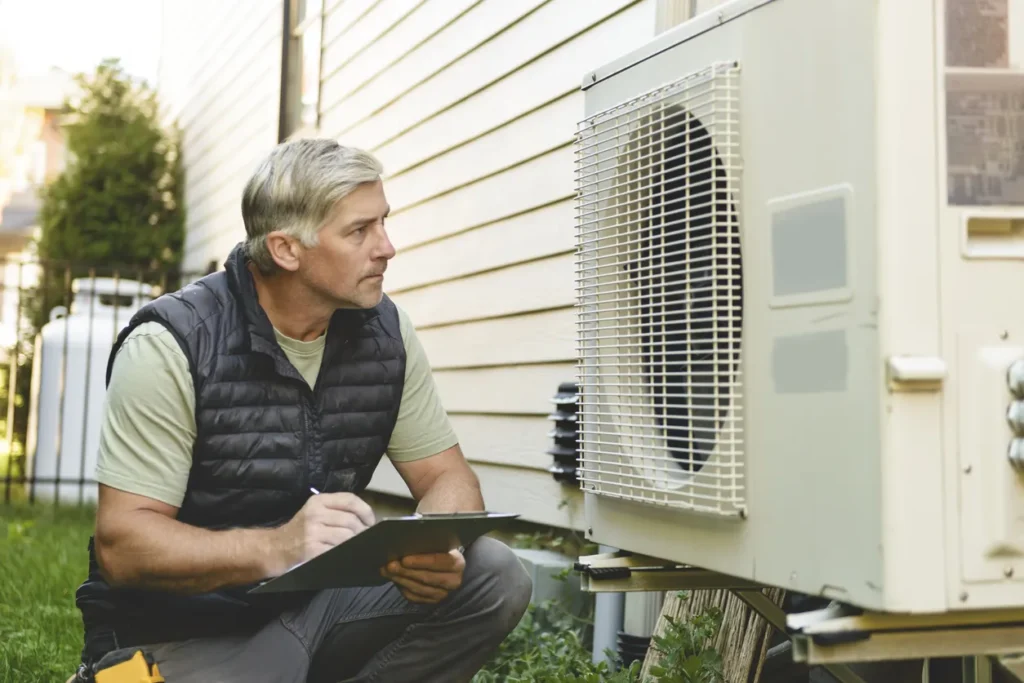
Top 7 Signs Your Heat Pump Needs Immediate Service
A failing heat pump affects your comfort, safety, and monthly bills. Spotting urgent problems early protects your home and wallet. This guide walks through seven signs that mean you should act now, explains what’s likely causing each problem, and gives safe homeowner checks you can try. You’ll learn to recognize uneven heating or cooling, sounds that point to mechanical trouble, reasons for sudden energy bill increases, what short cycling looks like, how to spot a frozen outdoor unit, how to tell water from refrigerant leaks, and when smells are an emergency. Each section follows a clear cause → homeowner action → when to call a pro format so you know what to try and when to stop. We serve Grand Prairie and nearby communities — if you need a diagnostic or repair after your checks, consider Anthony’s AC and Heating. Read on to diagnose symptoms, lower the risk of damage, and decide whether to schedule professional servicing.
How can you tell if your heat pump isn’t heating or cooling correctly?
If your heat pump won’t hold the set temperature, the problem is usually refrigerant, airflow, or controls. Low refrigerant or dirty coils reduce heat transfer, clogged filters and blocked vents limit airflow, and thermostat or reversing valve faults cause control problems. Catching these early prevents extra stress on the compressor and keeps energy use from climbing. Read the simple checks and causes below, and you’ll know when a professional diagnosis is the right next step.
What causes inconsistent heating or cooling in heat pumps?
Uneven temperatures often come from refrigerant leaks that cut heat transfer, dirty condenser or evaporator coils that block exchange, or poor airflow from clogged filters and closed returns. Electrical or control issues — like a miscalibrated thermostat or a failing reversing valve — can cause uneven zones as well. A quick homeowner check: replace the air filter, make sure vents are open, and compare the thermostat reading to a handheld thermometer in several rooms. If those checks don’t help, patterns such as cold spots, unusually long run times, or oil near fittings indicate it’s time for a technician to test refrigerant pressure and control logic.
When should you call a professional for temperature problems?
Call a technician if the system consistently misses the set temperature by more than about 5°F, runs non-stop without reaching the target, shows visible refrigerant oil or hissing sounds, or still has weak airflow after a filter change. Those signs point to mechanical or refrigerant issues that aren’t safe for DIY repairs and can damage the compressor if ignored. Before the visit, note runtime patterns and any thermostat error codes to help speed the diagnosis. If you want local help, Anthony’s AC and Heating offers diagnostics and repairs in Grand Prairie and nearby towns.
Different symptoms need different responses. Next, learn what unusual noises typically mean and how urgent they are.
What do strange noises from your heat pump mean?
Noises often point to failing parts like bearings, fan blades, or the compressor. Worn bearings squeal, loose parts rattle, and internal compressor damage can grind or knock. Listening and matching the sound to likely causes helps you decide whether to shut the system down and call for help. Below we link common noises to probable issues and offer short-term steps to reduce risk until a pro can inspect the unit.
Which noises signal motor or fan problems?
A high-pitched squeal usually means worn motor bearings or a failing fan motor. Grinding can indicate severe bearing wear or internal compressor damage. Loud banging or knocking may be a loose fan blade or debris hitting the condenser fan, while constant rattling often comes from loose panels or mounts. You can safely power down the outdoor unit and check for obvious debris or loose screws, but motor or compressor noises need a licensed tech. If you hear metallic grinding or sudden loud bangs, stop the unit and call a professional to avoid serious damage.
How can you prevent damage from noise issues?
Regular maintenance helps: tighten mounting hardware, lubricate accessible bearings if recommended, and keep the outdoor unit clear of leaves and debris. Replacing filters and cleaning coils reduces blower load and motor strain, which keeps things quieter. For electrical or compressor noises, turn the system off and book a professional inspection to prevent escalation. Local companies like Anthony’s AC and Heating can handle lubrication, balancing, and mechanical repairs to restore quiet, reliable operation.
Routine service also improves efficiency. The next section explains how common faults drive up electric bills and what to do about it.
Why are your energy bills rising because of heat pump problems?
Higher electric bills usually come from mechanical inefficiency or control faults that make the system run longer or cycle poorly. Common causes include restricted airflow from dirty filters, low refrigerant that lowers heat transfer, and a failing compressor that draws more current. In many cases a tune-up can recover 5–15% efficiency. Below is a quick comparison of common issues, how they raise energy use, and what you can do.
| Issue | How it Increases Energy Use | Preventive / Corrective Action |
|---|---|---|
| Dirty filters and coils | Restricts airflow and forces longer run times | Replace filters regularly; schedule coil cleaning |
| Low refrigerant | Reduces heat transfer and lengthens cycles | Have a pro test for leaks and recharge refrigerant |
| Failing compressor | Runs inefficiently and draws higher amperage | Technician diagnosis; repair or replace compressor |
| Thermostat errors | Causes incorrect or short cycling | Calibrate or replace thermostat; check placement |
What heat pump problems cause high electric bills?
Clogged filters or blocked registers make the system run longer and use more energy. A refrigerant leak lowers capacity so the compressor works harder, and a failing compressor uses more electricity for less output. Thermostat or control board faults can also cause continuous runs or improper cycles. Start with fixes that restore airflow and refrigerant balance — they usually give the quickest savings. If bills stay high after your checks, schedule a professional performance assessment.
How does regular maintenance reduce energy costs?
Routine care — filter changes, coil cleanings, refrigerant checks, and tune-ups — keeps heat transfer and airflow near design levels and cuts wear. Well-maintained systems run more efficiently and can lower monthly costs. Maintenance plans also catch small issues before they become big, expensive repairs. Consider a service plan to get seasonal tune-ups and priority scheduling; Anthony’s AC and Heating offers plans and financing to make preventive care affordable.
What is short cycling and why is it a problem?
Short cycling happens when the heat pump turns on and off frequently in short bursts. That wastes energy and wears the compressor and electrical parts because each start draws a surge of current and stresses components. Identifying short cycling early prevents expensive failures and restores steady comfort. Below are common causes and homeowner checks you can try safely.
What causes frequent on-off cycling?
Short cycling can be caused by thermostat placement or settings that trigger rapid on/off, an oversized unit that hits setpoint too quickly, low refrigerant, or control board and safety device faults. Blocked airflow or very dirty coils can trip safety switches repeatedly. Homeowner steps: check thermostat location and settings, replace dirty filters, and ensure vents are open. If short cycling continues, call a technician for controls and refrigerant diagnostics to protect the compressor.
How can you fix or prevent short cycling?
Short-term fixes include moving or recalibrating the thermostat, widening the temperature deadband, and restoring airflow by changing filters and clearing returns. Long-term fixes often need a professional — proper sizing checks, refrigerant balancing, or control board repairs. A technician can run runtime diagnostics and inspect safety switches, thermostat calibration, and refrigerant charge. Contact Anthony’s AC and Heating to schedule a diagnostic and discuss repairs or tune-ups that stop recurring short cycling.
Next: frozen outdoor units — how they form and what to do safely.
How do you recognize a frozen outdoor heat pump unit?
A frozen outdoor unit shows obvious ice on coils or casing and often runs without delivering heat or cooling. Ice happens when moisture freezes on cold coils and the defrost cycle fails or refrigerant is low. Catching a frozen unit early prevents compressor slugging and oil migration, which can cause major damage. The steps below explain common causes and safe homeowner actions.
What leads to ice buildup on outdoor units?
Ice forms when the outdoor coil drops below freezing and moisture accumulates; normally the defrost cycle clears it. Defrost failures can come from bad sensors or timers, low refrigerant that prevents proper heat exchange, or poor airflow around the unit because of debris or plants. Make sure the area around the unit is clear and check for obvious cabinet or fin damage, but refrigerant or defrost circuit faults need professional testing. A technician can restore defrost operation and prevent further ice buildup.
When is immediate service needed for a frozen heat pump?
Seek immediate service if the outdoor unit is heavily iced, the system runs continuously but produces little or no heat, or you see oil stains that suggest a refrigerant leak. Those conditions risk compressor damage if the unit keeps running. For light frosting, turn the heat pump off and let it thaw naturally while clearing nearby obstructions; never chip at the ice or pour hot water on coils. Record symptoms and run times to share with your technician. Local pros, including Anthony’s AC and Heating, can repair defrost circuits, detect leaks, and safely recover and recharge refrigerant.
Next we cover leaks: how to tell harmless condensate from dangerous refrigerant leaks and when to call for help.
What are the signs of heat pump water or refrigerant leaks?
Telling condensate (water) leaks from refrigerant leaks matters because the response and safety risks differ. Condensate comes from a clogged drain or overflowing pan and looks like clear water, while refrigerant leaks often leave oily residue, frost on lines, and a quick loss of heating or cooling. Spotting the type fast reduces damage and tells you whether immediate professional action is needed. The table below summarizes leak types, likely sources, and urgency.
| Leak Type | Likely Source | Safety Risk / When to Call a Pro |
|---|---|---|
| Condensate (water) | Clogged condensate drain, blocked trap, overflowing pan | Low immediate risk; call a pro if it repeats or causes damage |
| Refrigerant | Pinhole leaks in lines, failed fittings, compressor leaks | Requires a licensed technician right away; environmental hazard |
| Oil-stained residue | Refrigerant oil escaping with the refrigerant | High chance of refrigerant leak; call a professional now |
| Frost on lines | Low refrigerant or restricted flow | Professional leak detection and recharge needed |
How can you identify leaking water or refrigerant?
Condensate leaks usually show as clear water under indoor units or damp spots near drain lines and may bring musty odors from mold. Refrigerant leaks often leave oily residue near service ports, cause rapid performance loss, and produce frost on lines or the outdoor coil. You can safely check the condensate pan and drain line for clogs and look for oil or frost, but don’t attempt refrigerant recovery or repairs — call a licensed tech. If you suspect refrigerant loss, shut off the system and schedule service to limit damage and environmental release.
What are the dangers of ignoring leaks?
Left alone, condensate leaks can cause mold, structural water damage, and worse indoor air quality. Refrigerant leaks reduce efficiency and can permanently damage the compressor; over time low refrigerant can overheat the compressor and lead to costly replacement. Refrigerant also poses environmental and regulatory issues and must be handled by licensed technicians. For both leak types, prompt professional action protects health, equipment life, and your wallet.
After leaks, smells are another clear warning. The next section maps odors to causes and what to do immediately.
What do foul or burning odors from your heat pump mean?
Bad or burning smells can signal mold, electrical overheating, or a refrigerant leak — each needs a different response. Musty scents usually mean microbial growth in drip pans or coils. Burning smells point to overheated wiring, failing capacitors, or motors. Chemical or sweet odors can indicate refrigerant. The sections below explain typical sources and the safest steps to take.
What causes unpleasant or burning smells?
Musty odors often come from standing condensate and microbial growth after idle periods. Electrical burning smells come from overheated wiring, failing capacitors, or motor windings and may be paired with tripped breakers or smoke. A chemical or sweet smell typically signals refrigerant escaping and is usually accompanied by a loss of performance. If you smell burning or see smoke, power down the system immediately and call a licensed technician. For musty odors, replace filters and schedule a coil and drain cleaning to remove mold and stop the smell.
How should you respond to odors from your heat pump?
For burning or electrical odors, turn the system off at the thermostat and breaker and arrange emergency professional service — running the unit risks fire and major damage. For musty smells, change the filter, clear or flush the condensate drain, and book coil cleaning to remove biofilm and mold. Suspected refrigerant smells require immediate technician attention for safety and performance reasons; do not try to find or repair refrigerant leaks yourself. Anthony’s AC and Heating offers diagnostics and repairs for electrical, microbial, and refrigerant-related odors.
Why Prompt Professional Heat Pump Service Ensures Peak Performance
Prompt professional service keeps your heat pump efficient, stops small faults from becoming catastrophic, and restores safe operation through proper diagnosis and repair. Technicians use tools to check refrigerant pressure, electrical load, control logic, and airflow — things homeowners can’t test safely. Fast service reduces the chance of costly compressor replacements and returns the system to expected performance, cutting energy use and improving comfort. Below we summarize how expert care extends life and why using a trusted local provider helps.
How does expert servicing extend lifespan and efficiency?
Professional tune-ups include filter and coil cleaning, refrigerant checks, electrical inspections, lubrication where appropriate, and control calibration — all of which improve heat transfer and lower component stress. These targeted steps restore balance and can boost seasonal efficiency. Early detection of wear protects the compressor and fans from premature failure. Preventive repairs are usually much cheaper than emergency replacements and help keep warranties valid. Regular professional service is an investment that lowers lifecycle costs and keeps your home comfortable.
What makes Anthony’s AC and Heating a trusted local provider?
Anthony’s AC and Heating is a family-owned company serving Grand Prairie, Irving, Arlington, and nearby areas. We focus on honesty, fair pricing, reliability, and clear communication. Our hands-on experience means practical diagnostics and straightforward explanations so you understand recommended repairs and outcomes. Our maintenance plans prioritize seasonal tune-ups and priority scheduling to reduce emergency breakdowns and extend equipment life. To book a diagnostic or learn about plans and financing, contact Anthony’s AC and Heating for local service and transparent recommendations.
Here are practical maintenance and response actions you can use to reduce urgent repairs and keep your system running well.
- Recommended maintenance tasks to prevent most urgent failures:Replace air filters every 1–3 months depending on use and pets.Schedule seasonal coil cleaning and refrigerant checks with a licensed technician.Keep the outdoor unit clear of debris and maintain proper clearance around the cabinet.
- When to call a professional immediately:If you see refrigerant oil, persistent short cycling, heavy ice covering the unit, grinding noises, burning smells, or sudden major performance loss.If basic homeowner checks (filter change, clear vents, thermostat reset) don’t restore normal operation.
- Key diagnostic info to give your technician:Room temperature differences and runtime patterns.Any visible oil stains, frost locations, or unusual sounds with timing.Recent maintenance history and any changes to household airflow or insulation.
Sharing these details helps a technician diagnose and fix issues faster.
Regular, documented maintenance and prompt professional attention protect your investment and comfort while minimizing surprise costs.
| Maintenance Task | Frequency | Benefit |
|---|---|---|
| Filter replacement | Monthly–quarterly | Restores airflow and reduces strain on the system |
| Coil cleaning | Annually or as needed | Improves heat transfer and efficiency |
| Refrigerant check | Annually or when performance drops | Ensures proper charge and prevents compressor damage |
Keeping a simple maintenance log of these tasks helps both you and your technician target services more efficiently.
These checklists give a clear path for action and for talking with your service provider so you can preserve comfort, safety, and efficiency.
- Final takeaways to prioritize now:Do basic checks first: filters, vents, and thermostat.Document symptoms and shut down the system for burning smells or visible refrigerant signs.Schedule professional diagnostics for ongoing temperature issues, strange noises, short cycling, frozen units, leaks, or electrical odors.
Conclusion
Knowing the signs that your heat pump needs immediate service helps you protect comfort, safety, and your budget. Addressing issues like uneven temperatures, strange noises, and rising bills soon prevents bigger repairs and restores performance. If you need local diagnostics or repairs, Anthony’s AC and Heating is ready to help with clear recommendations and dependable service. Take action now to safeguard your system and keep your home comfortable.